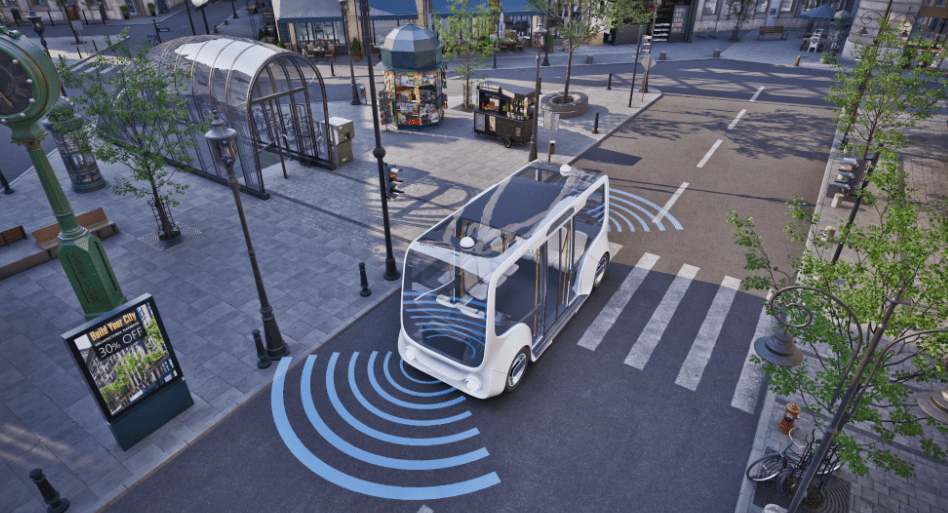
The future of smart transportation hinges on several key advancements. Autonomous vehicles are expected to reshape urban mobility, while smart infrastructure will enhance connectivity and efficiency. Sustainable energy solutions will support the transition to greener alternatives. Data analytics will play a crucial role in optimizing traffic flow and safety. As these elements converge, the implications for urban environments and commuter experiences will be profound, prompting a reevaluation of current transportation paradigms. What might this mean for cities of tomorrow?
The Rise of Autonomous Vehicles
As the demand for safer and more efficient transportation solutions grows, the rise of autonomous vehicles (AVs) has emerged as a transformative force within the automotive industry.
Self-driving technology promises enhanced safety and efficiency, yet regulatory challenges and safety concerns hinder widespread adoption.
Public perception varies, influencing urban planning and the implementation of vehicle-to-vehicle communication systems essential for AV integration in future transportation ecosystems.
Integration of Smart Infrastructure
How can cities effectively integrate smart infrastructure to support the evolving landscape of transportation?
By deploying smart traffic systems and intelligent signage, urban areas can enhance traffic flow and reduce congestion.
Data analytics enables real-time adjustments, optimizing routes and improving commuter experiences.
This seamless integration fosters a dynamic environment where individuals can navigate with greater freedom, ultimately leading to smarter, more efficient transportation networks.
See also: Future of Mobile Devices
Sustainable Energy Solutions in Transportation
While the transportation sector has historically relied on fossil fuels, the shift toward sustainable energy solutions is becoming imperative for reducing greenhouse gas emissions and combating climate change.
Electric vehicle adoption is accelerating, driven by advancements in battery technology and government incentives.
Concurrently, integrating renewable energy sources into transportation infrastructures promises a cleaner, more sustainable future, enhancing energy independence and promoting economic freedom.
The Role of Data and Connectivity in Mobility
Data and connectivity are increasingly recognized as pivotal components in the evolution of mobility solutions.
Advanced data analytics enable real-time insights into traffic patterns, enhancing route optimization and reducing congestion.
Connectivity solutions facilitate seamless communication between vehicles and infrastructure, creating a cohesive transportation ecosystem.
Together, these innovations empower individuals, promoting greater freedom of movement while fostering sustainable urban environments and efficient transit systems.
In event-based scenarios, organizations also depend on event transportation management solutions to coordinate fleets, manage schedules, and ensure seamless attendee movement across venues.
Conclusion
The future of smart transportation promises a synergistic blend of autonomous vehicles, intelligent infrastructure, and sustainable energy, significantly reshaping urban mobility. While concerns about safety and job displacement persist, data-driven insights reveal that autonomous systems can reduce traffic incidents by up to 90%, enhancing overall safety. Moreover, the economic benefits of increased efficiency and reduced emissions illustrate that embracing this transformation is not merely advantageous but essential for a sustainable urban future.