The future of sustainable technology presents a pivotal opportunity for transformative change across multiple sectors. Innovations in renewable energy, coupled with advanced waste management and electric transportation, are set to redefine urban living. Artificial intelligence will enhance these efforts by optimizing resource use and facilitating a circular economy. As these systems evolve, questions arise about their integration and impact. What challenges and breakthroughs lie ahead in this critical transition?
Innovations in Renewable Energy
As the global demand for energy continues to rise, innovations in renewable energy are emerging as critical solutions to address both environmental concerns and energy security.
Solar advancements are enhancing energy capture and efficiency, while improvements in wind efficiency are optimizing turbine designs.
Together, these innovations empower societies to harness clean energy, fostering independence from fossil fuels and promoting a sustainable, liberated future.
See also: Future of Social Media Technology
Smart Waste Management Solutions
How can cities effectively manage the increasing volume of waste generated by their populations?
Smart waste management solutions leverage advanced recycling technology and efficient waste sorting systems to optimize waste disposal.
By employing sensors and data analytics, municipalities can enhance recycling rates, reduce landfill use, and foster a circular economy.
These innovations empower citizens, promoting environmental responsibility and paving the way for sustainable urban living.
Sustainable Transportation Technologies
The challenges of urban waste management highlight the pressing need for innovative approaches across various sectors, including transportation.
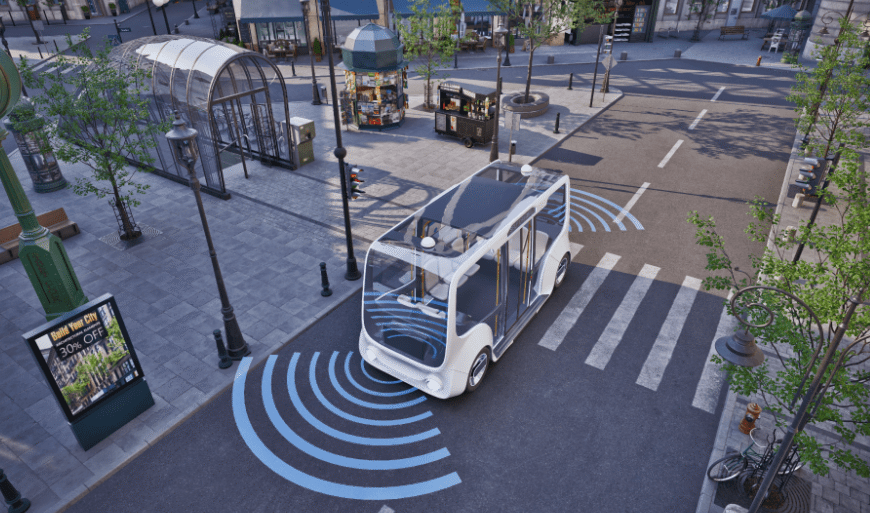
Sustainable transportation technologies, particularly electric vehicles and enhanced public transit systems, offer solutions to reduce emissions and improve urban mobility.
The Role of Artificial Intelligence in Sustainability
Artificial intelligence (AI) increasingly emerges as a pivotal force in advancing sustainability across diverse sectors.
Through AI optimization, organizations can enhance resource efficiency, reducing waste and energy consumption.
Predictive analytics enables proactive decision-making, allowing for smarter management of natural resources and climate resilience.
Conclusion
In an era where humanity seeks to outsmart nature, the irony lies in the realization that true progress hinges on a return to sustainable practices. As innovations in renewable energy, smart waste management, and electric transportation emerge, one might expect a utopian future. Yet, it is through the humble embrace of simplicity and the synergy of artificial intelligence that we may ultimately discover the profound complexities of ecological balance, challenging the notion that technology alone can save us from ourselves.